

MORAL INJURY
Invisible Wounds from Critical Decisions


Understanding Moral Injury in First Responders
Moral injury occurs when someone witnesses or participates in an event that violates their deeply held moral beliefs—and is often accompanied by guilt, shame, grief, or a loss of meaning.
For first responders, this kind of trauma is more common than we’d like to admit—and it’s one of the leading contributors to emotional burnout and suicide.

“Moral injury, those cumulative things that build up over time, that conflict with our own internal values, whether that may be having to use force against a person or arresting a parent in front of their kids. Those aren't things we feel good about. Even giving somebody a traffic citation, I don't feel good about that.”
Buck Wheeler — Fort Worth Police

The Impact of Moral Injury
These symptoms can severely affect the mental health and well-being of first responders, leading to decreased job performance and personal relationships.
Substance Abuse
Depression and anxiety
Suicidal thoughts
Persistent feelings of guilt and shame
Withdrawal from loved ones and social activities
Loss of purpose or meaning
Loss of faith or spirituality
Research & Resources
Over the past three years, research on the impact of moral injury in the first responder sector has grown, providing valuable insights that shape our approach to delivering resources and care.
-
The Moral Injury Project at Syracuse University has established a mission to provide a forum to explore the implications of moral injury as it relates to individuals seeking healing and integration of trauma and how moral injury impacts our society. Moral injury is the damage done to one's conscience or moral compass when that person perpetrates, witnesses, or fails to prevent acts that transgress one's own moral beliefs, values, or ethical codes of conduct.
-
Wounds of the Spirit: Moral Injury in Firefighters
This paper explores the issue of Moral Injury in firefighters and how it can affect their mental and spiritual health, both in and out of the firehouse.
-
Moral Injury: What is it and how does it impact first responders?
"Many first responders report experiencing the chronic feelings of guilt and shame that are central to moral injury."
-
Moral Injury in Police Work- LEB
"Moral injury can compromise an officer's performance in the line of duty. It leaves the individual struggling with feelings of rejection, guilt, shame, and emotional paralysis—all detrimental to mental functioning and job performance."
-
“Mental health issues and high rates of suicide of first responders present a complex and pressing problem, the importance of which cannot be overstated. As this update shows, since 2018, we have not witnessed a change in the rates of suicide of first responders, and the programs and policies targeted to address these issues remain insufficient.”
-
“Confronting mental health issues among Hoosiers is a major priority for Senate Republicans, and we passed several bills this year in hopes of tackling the root causes of mental health problems.”
R3 Program: A Proactive Approach
R3: Respond, Restore, Resolve was created to proactively address and heal moral injury.
By acknowledging the distinction between moral injury and formal mental health disorders, interventions can be tailored to address the unique psychological challenges faced by first responders, fostering a proactive and preventative approach to mental well-being.
By changing the conversation surrounding mental health in the First Responder community, R3 additionally aims to eliminate stigma and enhance a department's capacity to serve its individuals more effectively.
Peer Support Networks
Fostering a community where first responders can share experiences and support each other.

Educational Resources:
Offering training and materials to understand and cope with moral injury.

Access to Non-Clinical Resources:
Providing approved resources for preventative care during paid training time.

Moral Injury FAQ

-
Moral injury can occur after one significant event, after a series of events, or after a continuous prolonged event.
Whether it is or human suffering or loss of life, First Responders bear the emotional weight and psychological scars of occupational trauma.
These on-the-job experiences have become an accepted reality and are unfairly brushed off as the price of business.
-
Moral Injury often leads to feelings of guilt, shame, isolation, substance abuse, loss of spirituality/religiosity, and sometimes thoughts of suicide.
This creates a profound emotional toll on individuals who have dedicated their lives to serving and protecting their communities.
When Moral Injury is not acknowledged and addressed, it significantly impacts the mental health and well-being of first responders, introducing a complex layer of psychological distress.
-
In the first responder sector, it is crucial to recognize that moral injury is not classified as a mental health disorder itself.
Instead, moral injury serves as a precursor to mental health disorders, notably contributing to conditions like post-traumatic stress disorder (PTSD).
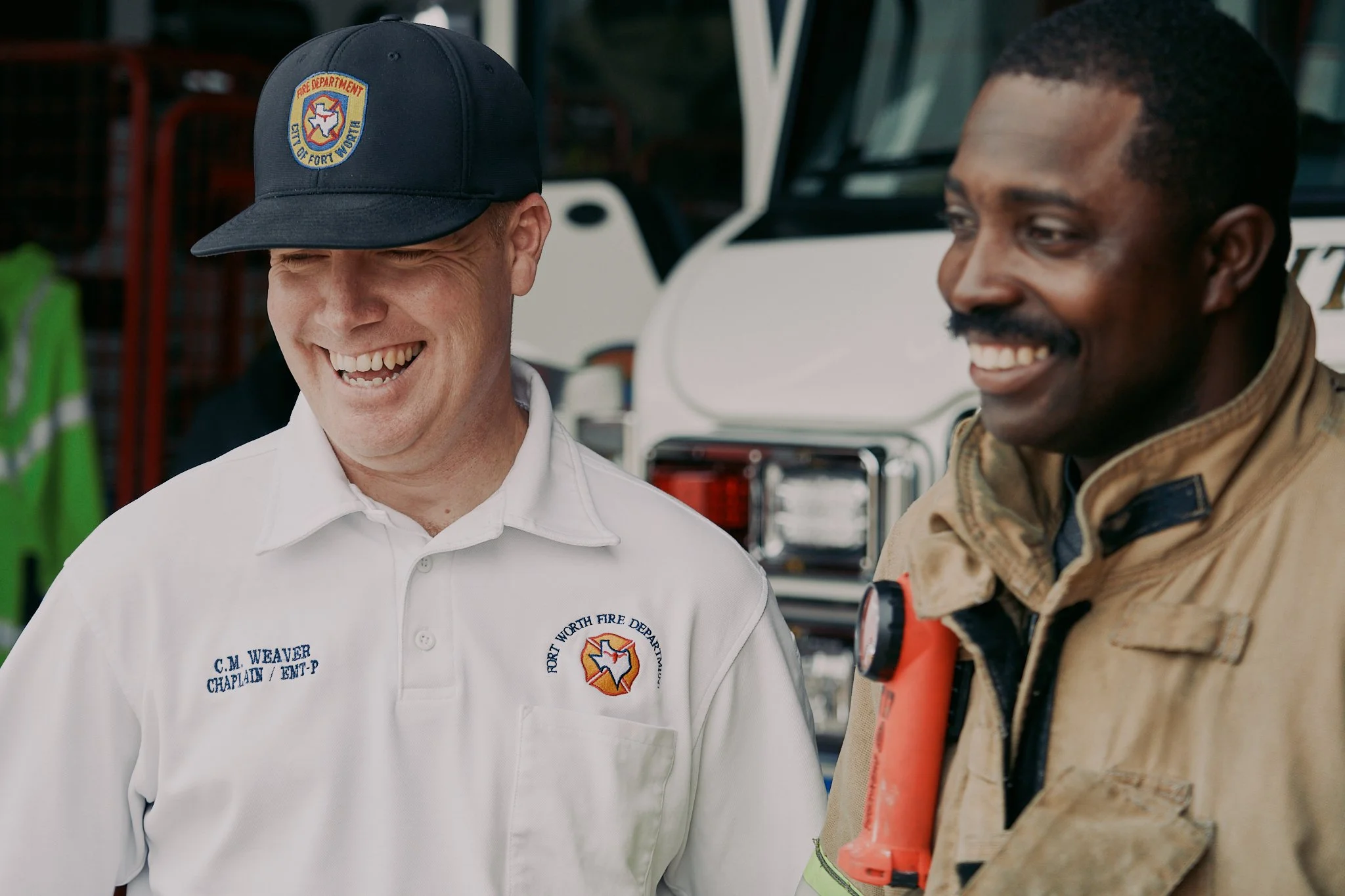
Join us as we revolutionize mental health support for first responder
Whether you're a police chief, fire captain, or city official, you have the opportunity to bring lasting change to your department. We’ll guide you through every step.